


Kurdish Gains in Syria Are Real. A Kurdish Region Is Not.
Several important developments in recent weeks have made the direction of the SDF-Damascus integration agreement much clearer, even if implementation remains gradual and incomplete.
The broad contours of the deal are now becoming visible, and they point in one direction: the SDF may gain influence, positions, and cultural recognition, but from within the Syrian state, not through a parallel structure outside it.
The central red line for Damascus appears to be that there will be no separate entity. Any authority the SDF or its affiliated actors receive as part of the agreement is increasingly being framed as authority exercised within the institutions of the Syrian government apparatus, not through an autonomous political or administrative order of its own. That is the key principle now emerging.
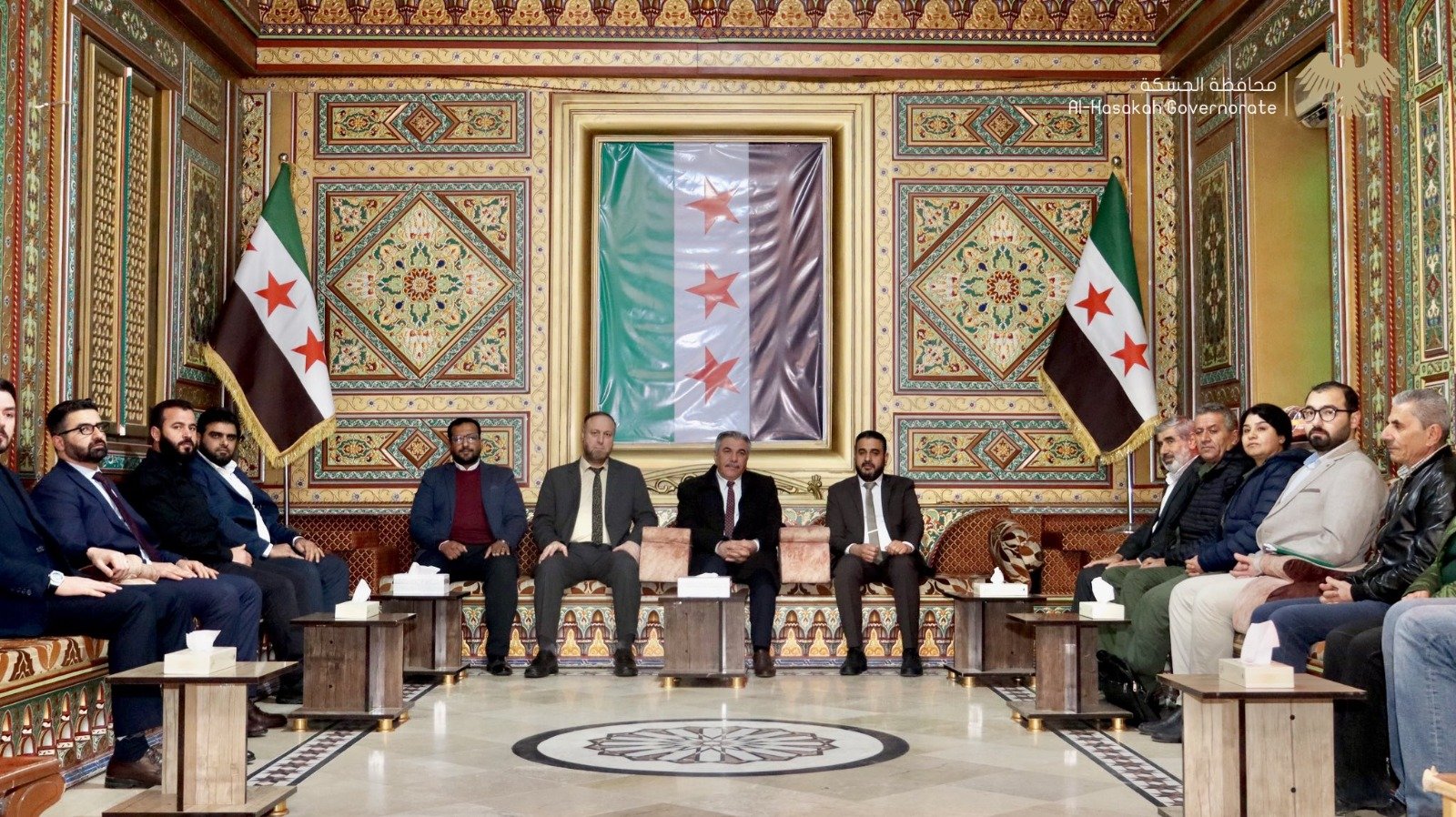
This is visible in the growing number of SDF-linked officials moving into formal state roles. The SDF side has secured the Hasakah governorship, today gained the position of assistant to the defence minister (given to YPG commander Sipan Hemo), and is expected to receive additional positions in other state institutions, likely including the deputy or assistant to the foreign minister. The pattern is clear: representation is being offered, but only within the Syrian government apparatus.
This is also likely the beginning of a broader template. One apparent reason the Syrian government has shown some leniency on this file, beyond the pressure from Washington, is that it may see the arrangement as a model for integrating other minorities as well, especially the Druze. In that sense, what is being worked out in the northeast is not an isolated case but the outline of a wider state approach to post-war minority incorporation.
The clearest sign that hard autonomy is being hollowed out, however, lies not in appointments or symbolism but in the fate of the northeast’s core sovereign files. Ilham Ahmed, one of the most senior SDF-linked political figures, recently told Rudaw that the remaining oil fields, the border crossings including Semalka, and Qamishli Airport would all fall under central government control. This is not merely administrative authority but physical control as well. The model she described is one in which people from the region may still be incorporated into these institutions, but as civil servants and employees working within a state-run structure. In other words, locals may remain present, but the authority itself would belong to Damascus. The Syrian government has already deployed its own interior ministry personnel to staff the Qamishli airport, as reported by the official news agency SANA.
That distinction is crucial. If the airport, the oil fields, and the border crossings are all physically controlled by the Syrian government, then the basis for any separate hard-autonomy structure is largely gone. Whatever remains would be local influence and representation within the Syrian state, not a separate region with its own sovereign levers. The question is no longer whether the SDF will retain influence. It probably will. The real question is whether it will retain any separate sovereign structure of its own. Control over the border, oil, and airport suggests the answer is increasingly no.
The education file points in the same direction. Recent moves by the Syrian education ministry suggest that Kurdish will be introduced as a school subject, not as the language of instruction. That distinction matters. The circular in question refers specifically to preparing curricula for the Kurdish language subject across educational stages, not to teaching the wider curriculum in Kurdish. The emerging model appears to be one in which students in these areas would continue studying in Arabic, like the rest of Syria, while taking Kurdish as an additional class in all grades. That falls well short of the broader Kurdish-medium educational structure the SDF had sought, and instead points to Kurdish language recognition within the Syrian state system rather than a separate educational order.
Other developments point toward deeper integration as well. Some of the roads between Hasakah and the rest of Syria have gradually reopened, and similar steps are expected around Qamishli. What remains unclear is who will man these routes and whether residents will still face the restrictions and permit requirements that previously reflected the area’s separate administrative status. If such barriers continue to fall, that would be another significant signal that these areas are being fully reintegrated into Syria proper and that free movement is returning under a single state framework.
The same pattern can be seen in the symbolic and institutional sphere. As integration advances, official buildings in Hasakah are increasingly displaying bilingual Arabic-Kurdish signage. In Kobani, the official name endorsed and displayed on municipal and government buildings is now Kobani rather than Ayn al-Arab. These are important cultural and symbolic concessions. They show that the state is willing to absorb some Kurdish identity markers into the new order. But they remain concessions in recognition, not markers of parallel sovereignty.
The security file is more complex, but even there the direction appears similar. Kurdish security structures are likely to continue in Kurdish areas, but as forces integrated into the Syrian state rather than operating as an independent apparatus. Taken together, the trajectory is becoming much clearer. The SDF is not simply disappearing, but it is increasingly being transformed from a standalone authority into a bloc operating within the Syrian state. Kurdish actors are gaining positions, cultural recognition, and some local role, but the structure being built does not point to an autonomous entity existing alongside Damascus. It points instead to incorporation into a unitary state framework. One important set of unresolved questions remains: who controls arrests, whether the courts are folded into the Syrian judicial system, and how the chain of command on the ground is ultimately defined. Those issues will determine how deep this integration really goes.
Another important development is the start of returns by displaced Afrin residents from Hasakah to their home areas. The first batch, around 400 families, began returning today, with more expected to follow. For Kurds, this is highly symbolic. Families uprooted from their native areas are finally going home. But it also fits the broader logic of the emerging settlement. As Kurdish cultural and linguistic rights are increasingly absorbed into the Syrian state framework, the return of displaced Kurds to places such as Afrin reduces the wartime concentration of Kurdish populations in Hasakah and diffuses them back across their original localities. That does not diminish Kurdish presence in Syria, but it does make the idea of a territorially concentrated separate entity harder to sustain.
The overall trajectory, then, is not one of preserved hard autonomy under a different label. It is one of gradual state reabsorption. Kurdish actors may still hold influence, and in some areas meaningful influence, but the decisive levers of sovereignty are returning to Damascus. The border, oil, and airport are the heart of the story. Once those return to central state control, what remains is not autonomy in the classic sense but Kurdish participation within the Syrian state.
Within the standards and history of Syria, these are unprecedented gains for Kurds, even if the recent territorial setbacks make them appear otherwise. In a sense, the SDF’s high initial expectations served it well: had it not controlled such a wide territory, the scale of its losses would not have been so dramatic, and the leverage to extract what it has now secured would not have existed. What the SDF has gained is significant in context, even if it falls far short of what it once envisioned.


