


The KDP and PUK Seek Backroom Deal on Iraqi Presidency
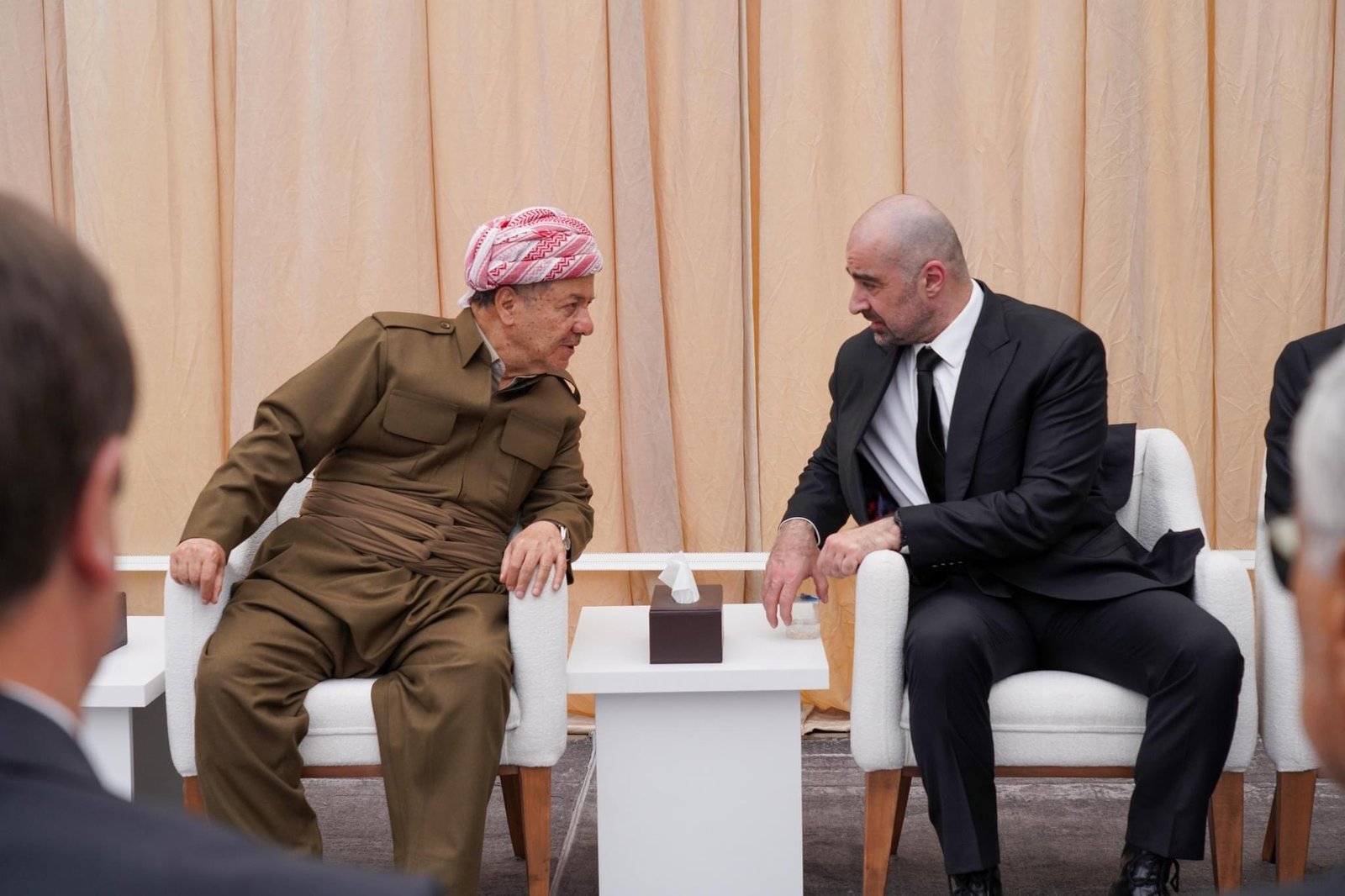
The KDP and PUK are locked in another episode of their ongoing power struggle over the Iraqi presidency. While both parties fielded candidates during the brief registration window, they are now negotiating to settle the post politically before the parliamentary vote.
Context: A tentative understanding is emerging that links the presidency to KRG government formation, but both sides are demanding guarantees: the PUK wants the KDP to withdraw from the race, while the KDP wants assurances that the PUK will follow through on forming a new Kurdistan Region government.
Absent such guarantees, the KDP has put forward two candidates: Fuad Hussein and Nawzad Hadi. This serves two purposes. First, it allows the KDP and its allies to block quorum by exploiting the two-thirds attendance requirement (220 of 329 MPs) that applies when multiple candidates compete, compared to the simple majority (166 MPs) needed for single-candidate votes. Second, it provides leverage to extract commitments from the PUK on KRG government formation.
Analysis: According to the Sulaimani-based Draw Media website, citing a senior source, intensive discussions over the past two days have produced an understanding. The KDP would withdraw its candidate and vote for the PUK nominee for Iraqi president, on condition that, before the 28 January 2026 election date, the Kurdistan Parliament speaker is elected, the Region president is sworn in, and Masrour Barzani is nominated as prime minister. Fouad Hussein’s candidacy functions as insurance that the PUK will complete these steps.
On Sunday, Hoshyar Zebari, a member of the KDP Political Bureau, made a low-profile visit to Sulaimani and met with PUK president Bafel Talabani. A senior source familiar with the meeting told Panjara website that Zebari carried two messages. The first was that the PUK should field two candidates so that Masoud Barzani could select one of them. Talabani rejected this, saying Nizar Amedi is their only candidate and that the PUK has received guarantees for their candidate’s success.
Amedi is a former Iraqi minister and one of the closest allies of the Talabani family. He hails from Amedi district in Duhok province, but his family has a historic blood feud in the area: his father, a businessman and intellectual, was killed by a rival businessman who was a senior KDP official. Locals familiar with the incident say the assassination was primarily a financial dispute, but the fact that the perpetrator was a KDP official who received party protection is said to have pushed the family closer to the PUK. Amedi, a mechanical engineer by training, has worked in Talabani’s office since 1993, making him one of the most trusted figures in the family’s inner circle. This also explains his rapid rise to the PUK politburo after Bafel Talabani consolidated control of the party, expelling his cousin Lahur Sheikh Jangi and purging factions that challenged his leadership.
Zebari’s second message proposed that the KRG government be formed quickly in exchange for KDP support for the PUK candidate. Talabani initially responded that the PUK would not retreat from its demands on government formation, though the source said he later softened his tone and indicated willingness to form the government, but only after the presidential election.
There are now three scenarios depending on the trajectory of the KDP-PUK negotiations: there is a strong possibility the PUK will press ahead without a deal. The party has cultivated understandings with several Iraqi parliamentary blocs, strengthening its position in Baghdad and raising confidence that its candidate can secure enough votes in a second-round simple majority contest.
However, this path carries significant risk. If the KDP can assemble a coalition of 107 MPs willing to boycott the session, it would prevent the 220-member quorum from being reached, blocking the election entirely. In that scenario, the PUK would be forced to accept KDP demands, potentially withdrawing Nizar Amedi in favor of a mutually acceptable candidate such as Mala Bakhtiar or Latif Rashid.
If agreement is reached, either both parties converge on a joint candidate, or the KDP backs the PUK’s nominee in exchange for the PUK agreeing to convene the Kurdistan Parliament, swear in Nechirvan Barzani as Region president, and nominate Masrour Barzani for cabinet formation.
Either way following parliament’s inaugural session and leadership elections, the Council of Representatives must elect a president within 30 days by two-thirds majority per Article 72. If no candidate reaches this threshold, Article 70 provides that the candidate with the most votes in the second round wins.


