


Aleppo’s SDF Enclave Becomes a Test of Damascus’ “Integration by Pressure” Strategy
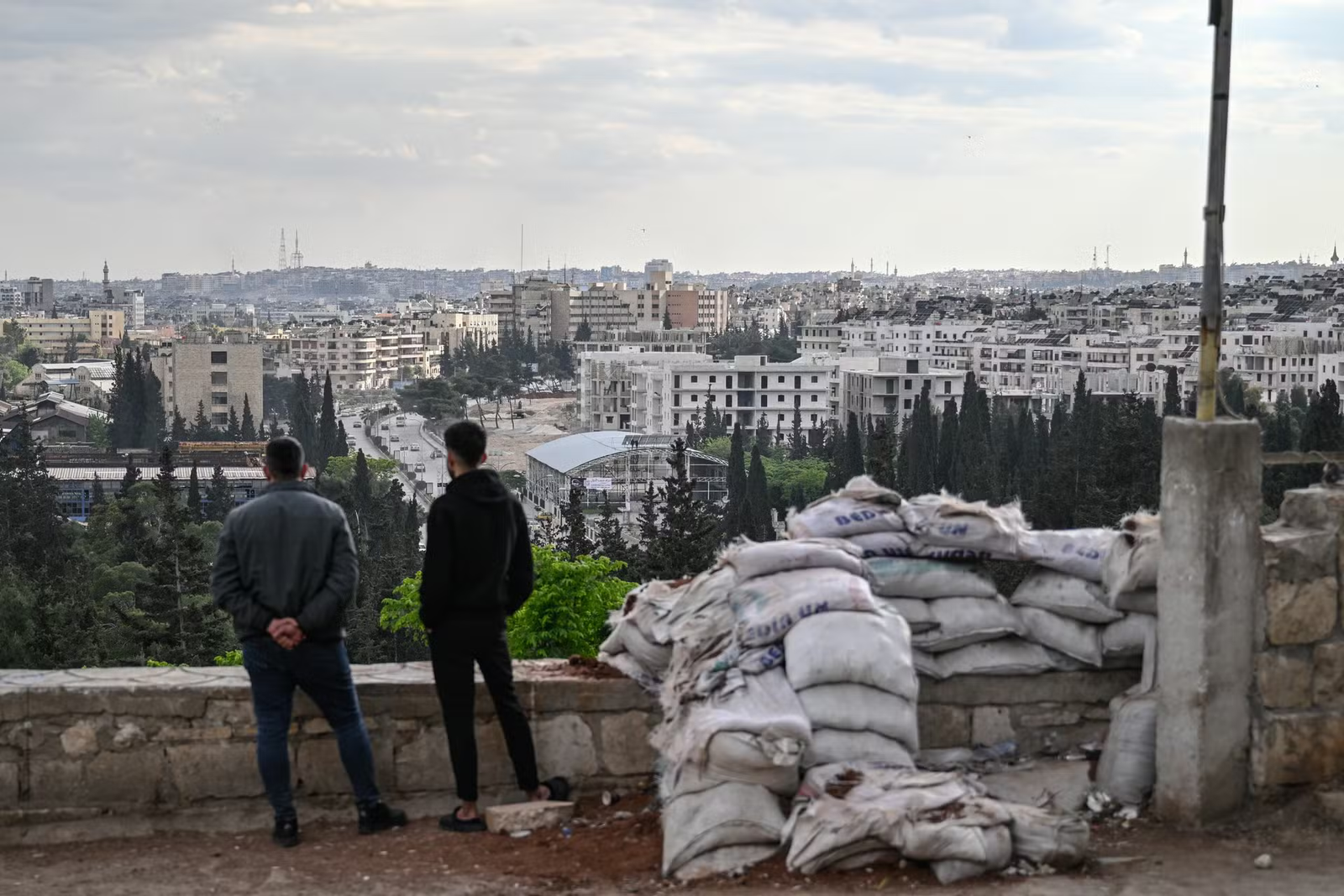
After days of intermittent clashes and fire exchanges, the Syrian army today declared the SDF-controlled pocket in Aleppo a closed military zone and called on residents to leave. Damascus has vowed to take control of the pocket, which consists of the Sheikh Maqsood and Ashrafieh neighborhoods, situated on elevated ground in northern Aleppo and considered among the city’s highest residential districts.
Context: From 2012, the two neighborhoods gradually slipped out of the former regime’s control, with authority later consolidating under SDF-linked security structures, especially the Asayish (Internal Security Forces). Following the collapse of the Assad regime, a localized deal reached on 1 April (a 14-point agreement) stipulated that SDF-linked military forces would withdraw while Asayish would remain, with a later integration track. The agreement also included measures such as reopening roads, removing earth berms, prisoner exchanges, and reintegrating civil institutions into Aleppo’s provincial administration.
Implementation was partial: two convoys totaling over 900 SDF personnel reportedly left in April, with no additional convoys recorded afterward, and detainee swaps occurred in phases. The understandings remained fragile, repeatedly stress-tested by sniping, shelling, and road closures, followed by temporary de-escalations without a durable settlement.
Analysis: Sheikh Maqsood’s elevation gives it strategic weight: the district overlooks the Layramoun industrial zone and Castello Road to the north and west, functioning as an observation point capable of exerting visual and fire control over vital corridors linking Aleppo’s north to its west. Ashrafieh lies directly southwest, effectively Sheikh Maqsood’s closest urban extension. The northern edge of the SDF pocket runs along Castello Road, a highly strategic route that during the 2016 battle for Aleppo served as the city’s most important supply line, connecting it to the northern countryside and, indirectly, to the Turkish border.
The April agreement had two structural problems that kept resurfacing. First, the pocket’s special status is linked to the wider dispute over how and when the SDF integrates into the national army and state structures, a process repeatedly announced but repeatedly delayed. Second, the Aleppo file is entangled with regional pressure, especially Turkey’s hostility to the SDF, and with the fact that former Turkish-backed factions are now represented inside the new Syrian defense structure, making local frictions more combustible.
However, the picture is more complicated. Aleppo’s Syrian army presence includes both former HTS and former Turkish-backed SNA factions. The 60th Division is reported to be commanded by Brig. Gen. Awad al-Jassem (Abu Qutayba al-Manbiji), described as a prominent former HTS commander, with deputy commander Brig. Gen. Mudar Najjar linked to the Sham Front. The 72nd Division is reported as a multi-faction mix largely from the former SNA environment; a defense ministry source cited by Enab Baladi said it is led by “Khattab al-Albani,” also described as a former HTS commander. The 76th Division is reported to be commanded by Brig. Gen. Saif al-Din Bulad (Abu Bakr), previously known as the commander of the Hamza Division within the Turkish-backed SNA ecosystem. The 80th Division is reported to be commanded by Col. Ahmed Rizq, a defected officer said to have led multiple factions during the uprising and most recently active within the SNA framework. Although these divisions operate across the wider Aleppo area and not just the city, the argument that the attack is solely by former Turkish-backed SNA factions does not hold; the city itself reportedly has the strongest presence of the 60th Division, which is dominated by HTS elements and the 72nd Division, which is a mixed division.
The neighborhoods under SDF Asayish control are demographically mixed, although Kurds are believed to constitute the majority, alongside sizeable Arab, Christian, and Turkmen populations. Population estimates range from 200,000 to as many as 500,000 residents, making this one of the most densely populated areas of the city. As of now, reports suggest a Syrian army assault on the pocket has not taken place and mediation efforts continue. But if an assault occurs, it would mark a major escalation leading to the collapse of the SDF-Damascus agreement on integration and open a new period of confrontation between the two sides.
Given the timing of the escalation, occurring just one day after the Syrian-Israeli breakthrough, there are strong indications this is strategically timed. According to SDF accounts, the Syrian army, with Turkish help, appears to have been preparing for this for weeks. This can also be read as a hybrid phase, as one Syrian pro-Damascus analyst described it, in which Damascus will gradually deploy harsher tools to pressure the SDF into integration. But such escalation risks backfiring and collapsing the entire March agreement framework.


