


As ISIS Detainees Move Out, Pressure Mounts on the SDF in Hasakah
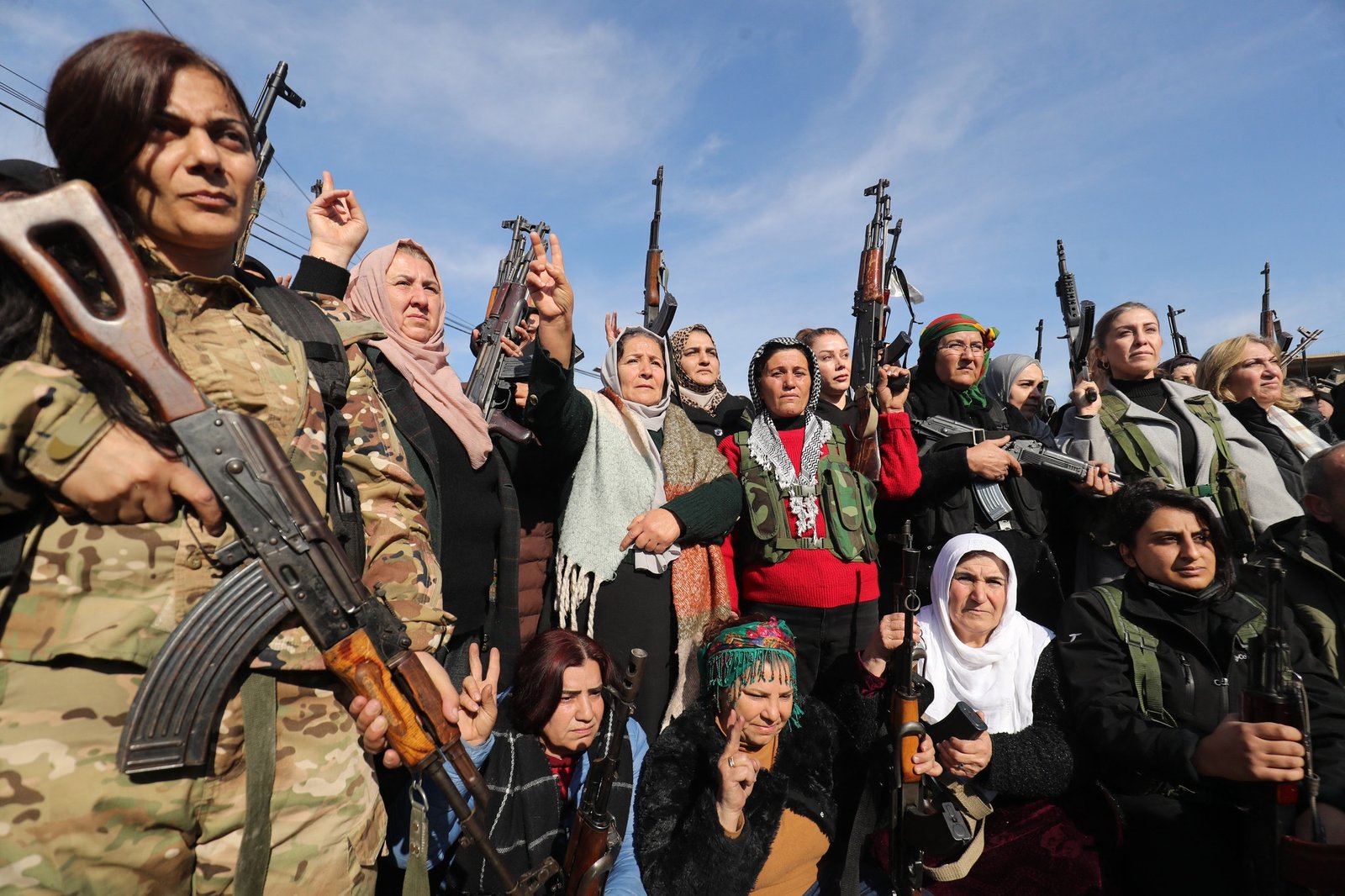
Despite the ceasefire extension for an additional 15 days, both the Damascus-led Syrian Army and Syrian Democratic Forces (SDF), continue sending reinforcements to the Hasakah area, suggesting the prospect of military re-escalation remains high.
Context: After the 18 January agreement was signed, and following a phone call between Trump and Syria’s president, Ahmad al-Sharaa, a ceasefire was announced to give the SDF time to accept and implement terms it had already agreed to.
Analysis: The US decision to quickly move prisoners from the Guwayran facility in south Hasakah city, alongside other facilities, suggests the situation remains fluid and that a key reason for the extension is to allow the transfer of detainees. In effect, this amounts to a US green light, or at least non-objection, to further military action to subjugate the SDF.
Damascus’ posture toward detention sites also hints at its operational priorities. In the Al-Aqtan prison case, where roughly 1,000 SDF fighters were reportedly holding out, Damascus is said to have drawn a firm red line against evacuating them into Hasakah. Instead, it reportedly insisted they be sent only to Kobani, a small SDF-held pocket that is fully surrounded. The implication is that Damascus views the Kobani pocket as a lesser and more controllable issue, and is therefore more willing to concentrate SDF manpower there than allow it to reinforce Hasakah.
There have also been unconfirmed rumors about aid convoys moving from the Kurdistan Region toward Hasakah. While the shipments are officially described as humanitarian assistance, some claims alleged they included weapons. There is no solid basis for those allegations. More reliable reporting suggests both the US and Turkey warned the KRG against any attempt to conceal arms in such convoys. One local media report went further, claiming the US cautioned the KRG that Turkey might strike any convoy found to be transporting weapons into SDF-held areas.

The dilemma for the SDF is that they have already signed the January 18 agreement, which clearly stipulates their integration on an “individual basis.” Unless major political changes break in their favour, signing has only compounded their already fragile status.
There are no clear indications that the Damascus-led Syrian Army intends to seize every remaining SDF-held area at once. But it is highly unlikely to accept Hasakah city remaining under SDF control. The most immediate pressure point is the Hasakah–Tell Tamir pocket. Tell Tamir is sensitive in its own right given its largely Christian population. Hasakah carries even greater weight: it is a provincial capital, and Damascus will not want a rival force holding it. Demographics also matter. While Kurds dominate parts of the northern sector, most estimates suggest Arabs form the largest numerical group overall, which further incentivizes Damascus to press for retaking the city.
Reports suggest Trump, in his call with al-Sharaa, urged him to announce a ceasefire and halt the march on Hasakah. But the US decision to begin transferring ISIS detainees just one day after that call may indicate the ceasefire is intended as temporary rather than a frozen line.
Another likely target is the Rmelan and Suwadiyah pocket, which includes the last remaining oilfields, as well as the gas and power infrastructure that supplies Hasakah, still under SDF control. The area also includes the Al-Walid crossing into KRG-controlled territory, a route the US has used frequently for military purposes.
Damascus also aims to assert control over cross-border points such as Smelka with the KRG, but that may not be the immediate priority. A more plausible sequence is to focus first on these pockets, then offer limited, symbolic local governance in whatever remains.
How this unfolds will hinge on political negotiations, particularly the US role and whether a compromise can avoid rupturing the remaining lines of contact. It will also depend on how effectively the SDF can defend Hasakah if Damascus resorts to kinetic means. Either way, the current lines are unlikely to hold long-term. Any lasting cessation of clashes may only come once Damascus captures Hasakah city and the other areas mentioned: Tell Tamir and Rmelan.


