


The point of no return: PKK reported to have evacuated Gara stronghold
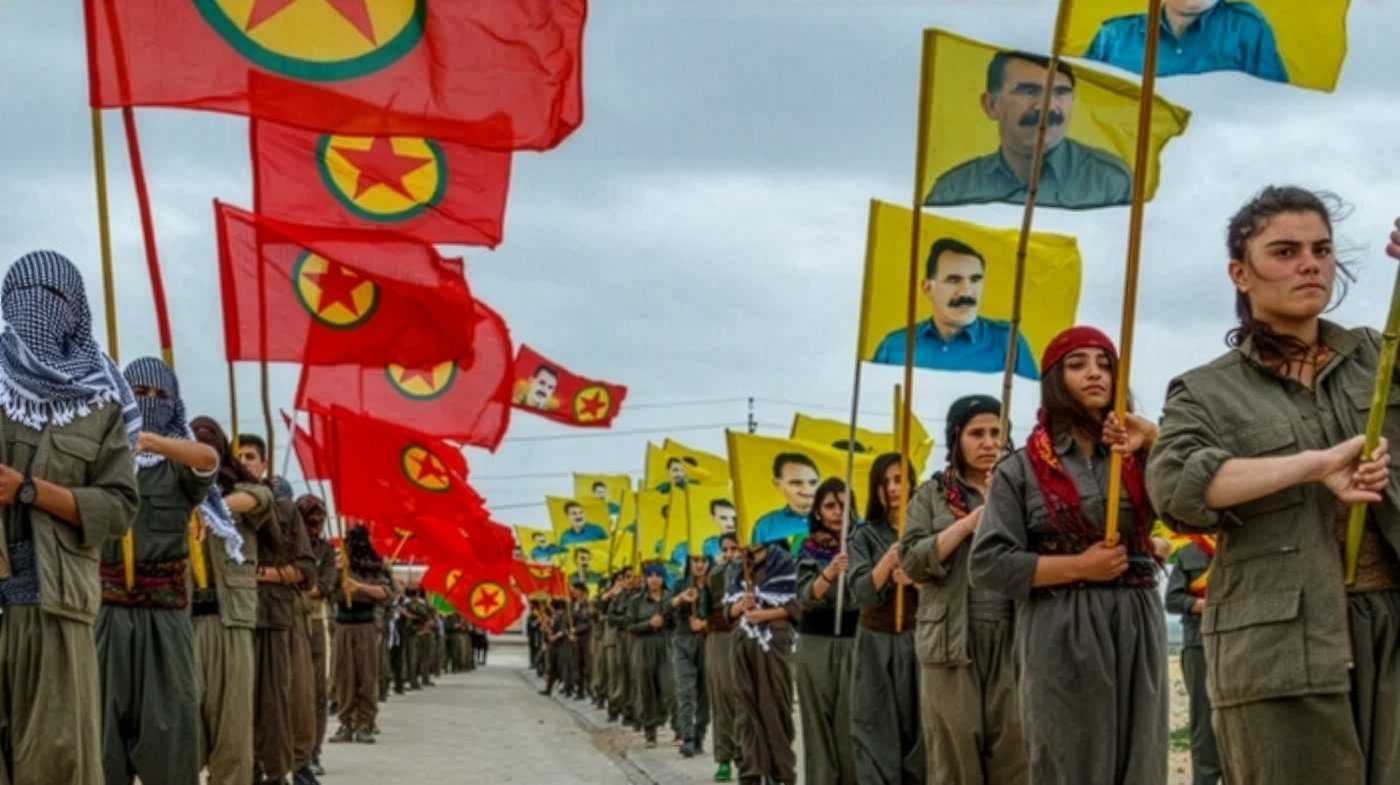
The PKK has evacuated some of its most important camps in the Gara Mountains, in the central-northern Kurdistan Region, according to Nefes, a Turkish liberal-leaning newspaper, citing Turkish security forces. The reported move comes as part of the ongoing peace process.
Context: The PKK first announced the withdrawal of its fighters from inside Turkey in October last year. It then pulled back from areas close to the border, including parts of Zap and Matina. Those zones were already under heavy Turkish military pressure, and the PKK argued that withdrawal was necessary to avoid clashes or accidental confrontations that could derail the process.
Gara is different. It is comparatively far from Turkish outposts, and it has long functioned as one of the PKK’s most secure and strategically important zones. Since the late 1980s and early 1990s it has served as the connective knot linking Qandil, the Turkish border areas, Syria and Sinjar, deeply embedded in the PKK’s armed and administrative infrastructure. It is, in effect, the organisation’s logistical hub in the Kurdistan Region.
One of the most important sites reportedly evacuated is Siyan Camp, inside Mount Gara itself. The camp is said to consist of interconnected underground tunnels, making it one of the PKK’s most fortified locations. It was also where 12 Turkish soldiers and officials, abducted in 2013, were later killed.
Gara’s importance goes beyond geography. According to the report, the area hosted the PKK’s so-called Apollo Academy Command, where members trained in assassination, sabotage, intelligence and other specialised operations. It also included the Ali Cicek Academy for ideological training, along with underground workshops producing improvised explosive devices, bomb-laden drones and other controlled explosives. The camp reportedly contained a guest house, four sewing workshops, a procurement unit and two prisons where abducted people were held. Gara was not only a military base. It was a command, training, logistics and detention hub.
Analysis: If confirmed, this is the most important physical step in the peace process so far. Zap and Matina were repositioning under pressure. Gara is not. A withdrawal from Gara would suggest the PKK is no longer adjusting its lines but dismantling a core piece of its military architecture. Because Gara is the node connecting the organisation’s main operational zones inside the Kurdistan Region, its evacuation would embed disarmament structurally. That makes the process much harder to reverse.
The timing points to a bargain. The Turkish parliament is expected to pass the peace process legislation before its summer recess, and Erdogan has publicly committed to its passage. But Ankara’s core condition has been a verifiable mechanism showing that the PKK has laid down arms to an irreversible stage. Gara may be that stage. The Turkish side has itself conceded that Qandil can wait, since the fate of the militants and their commanders, whether they return to Turkey, remain in Iraqi Kurdistan or move to a third country, has yet to be arranged and legally prepared. Full evacuation everywhere was never realistic while there is no guarantee of what happens to these people. Vacating Gara while holding Qandil in place until those arrangements are finalised may be the middle ground both sides have been seeking: irreversibility for Ankara, a holding position for the PKK. Qandil can wait. Gara cannot, because Gara is what locks disarmament in.
The verification process raises its own question. Turkish military and intelligence teams are inspecting the vacated zones. Will they leave, or will they remain and establish permanent positions? The question is especially sensitive in Gara, which lies deeper inside the Kurdistan Region and, unlike the border areas, currently has no permanent Turkish military presence.
The diplomacy of the past week reinforces this reading. As the Gara report circulated, Turkish intelligence chief Ibrahim Kalin was in Iraq. In Baghdad he met the head of the judiciary, Faiq Zaidan, along with other Iraqi officials. He then travelled to the Kurdistan Region, where he met Masoud Barzani but, more notably, PUK president Bafel Talabani in Sulaimani. The Talabani meeting is the one to watch. Relations between Turkey and the PUK had deteriorated to the point of Turkish sanctions on the party. The peace process has now produced a breakthrough. The PUK appears to be an important knot in the logistics of the endgame and in the future of the PKK’s commanders, some of whom may resettle in Sulaimani. What exactly Kalin and Talabani discussed is unknown. But a breakthrough on logistical arrangements may have unlocked the Gara step, which in turn would unlock the legislation.
What the disarmament map leaves out is as telling as what it covers. The process is focused solely on areas of PKK presence: Qandil, Gara and the strip along the Turkish border. Yet PJAK, the PKK’s Iranian offshoot, is present much further south in the PUK zone, in the Penjwin area and the Asos mountains. There is no talk of these areas. The silence suggests the PJAK file has been separated from the PKK’s, despite Turkey’s repeated insistence that disarmament should reach all of the organisation’s branches. And that file is heating up on its own terms. Alongside these movements, and alongside Iran’s negotiations with the United States, clashes between PJAK and Iranian security forces have been reported inside Iran, the most violent since the ceasefire between the two was brokered in 2011. Iran appears to have concluded that it must pressure and break the infiltration of PJAK and other Iranian Kurdish groups, which emerged from the recent war emboldened by their survival.
Syria completes the picture. The SDF, which Turkey regards as the PKK’s Syrian branch, remains only half integrated into the Syrian state, and the problems are growing rather than receding. Security integration has stalled: despite being labelled individual integration, the SDF and its Asayish are being absorbed in bulk, as blocs and brigades, and the resulting deadlock has postponed the activation of the judicial palace for months now. Contracts rushed out by the SDF-led administration to companies close to the SDF are being rejected by Damascus. The new deadline for integration is the end of the year. If the PKK’s disarmament is locked at an irreversible stage, the SDF file will be completely separated, and Damascus and Ankara may deal with it differently by year’s end, particularly if integration fails to return Syrian government authority to the pocket of Hasakah still largely under de facto SDF control. Erdogan himself has said the legislation has been waiting on developments in Syria. The two processes are running in parallel. Gara may be the point where they part.
The peace process has moved past political declarations and tactical withdrawals. It is now touching the PKK’s core armed infrastructure. If Gara has indeed been vacated, it will be remembered as the moment the process became difficult to undo.


