


Iraq elections: militias designated as terrorist organizations by the US take 80 parliamentary seats
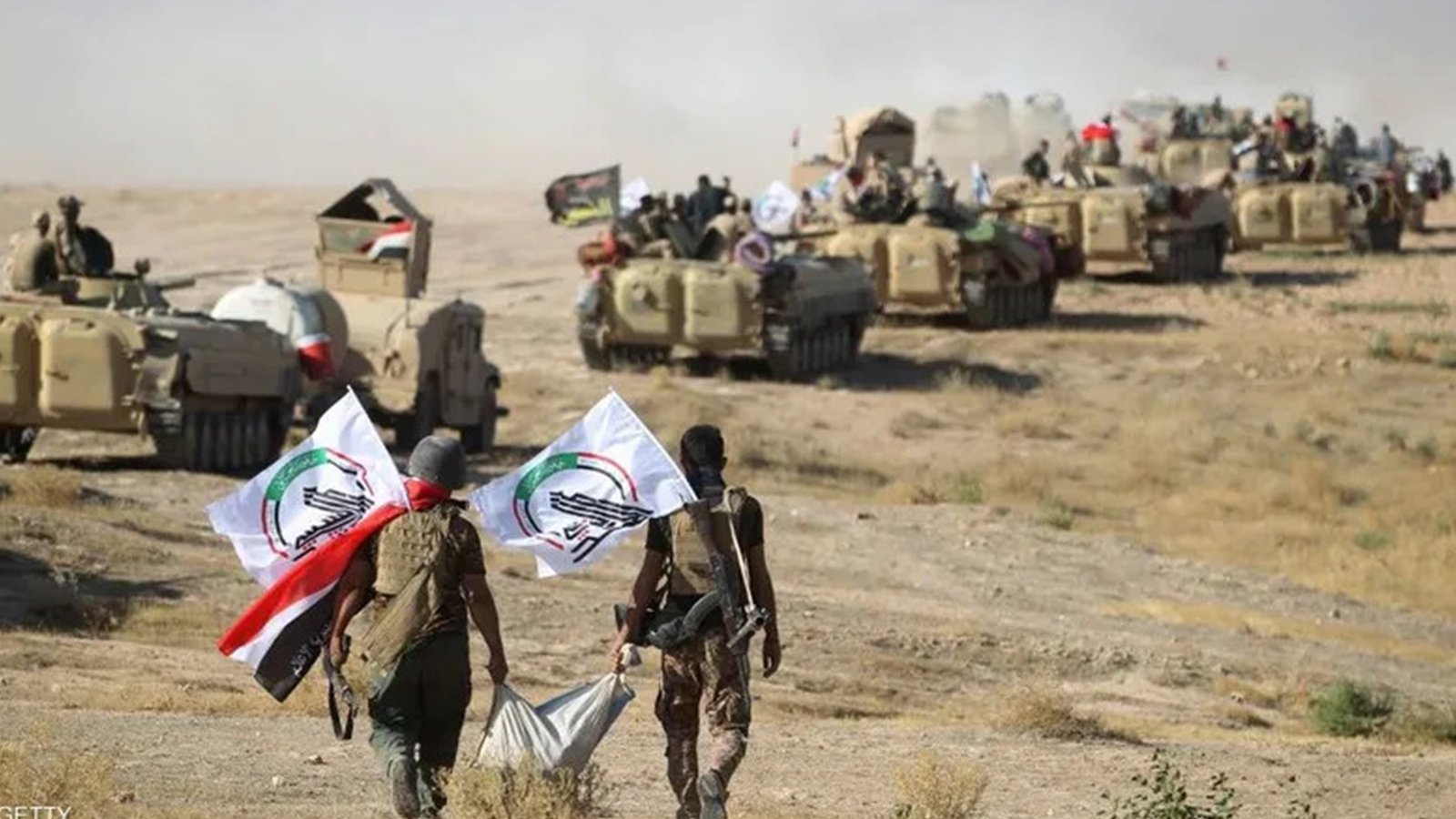
Among the Shia militias that have been designated as foreign terrorist organizations by the United States, at least ten have contested the elections through political parties. Although militias are not legally allowed to participate directly in electoral politics, it has become routine for them to create political fronts, run for parliament and then embed themselves in state institutions, where they increasingly compete for contracts and a share of economic power.
Based on current estimates, their parliamentary presence breaks down as follows:
- Asaib Ahl al-Haq – political wing: Sadiqoun Movement, led by Qais al-Khazali: 27 seats
- Badr Organization – led by Hadi al-Amiri: 18 seats
- Kataib Jund al-Imam – political wing: Bilad Sumer list within al-Sudani’s coalition, led by Ahmed al-Asadi: 8 seats
- Ansar Allah al-Awfiya – political wing: Al-Awfiya Movement, led by Haider al-Gharawi within al-Sudani’s camp: 7 seats
- Kataib Hezbollah – political wing: Huquq Movement, linked to Ahmad al-Hamidawi (Abu Hussein): 6 seats
- Kataib Sayyid al-Shuhada – political wing: Muntasiroun (Victors) Bloc inside State of Law, led by Abu Alaa al-Wala’i: 5 seats (4 seats plus 1 under the ‘Support the State’ Bloc)
- Imam Ali Brigades – political wing: Khadamat (Services) Alliance, led by Shibl al-Zaydi: 5 seats
- Babylon Brigades – political wing: Babylon Movement, led by Rayan al-Kildani, running on the Christian quota: 2 seats
- Saraya al-Jihad – political wing: Jihad and Construction inside the National State Forces Alliance of Ammar al-Hakim: 1 seat
- Hashd Turkmen Brigades – represented by the Islamic Turkmen Union: 1 seat in Salahaddin province
These figures exclude PMF chairman Falih al-Fayyadh, whose Ataa Movement is sanctioned under Global Magnitsky (EO 13818) rather than designated as a foreign terrorist organization. Ataa has secured approximately 10 seats within Prime Minister al-Sudani’s Reconstruction and Development Coalition.


