


The Sunni Dimension of Zaidi’s Anti-Corruption Crackdown
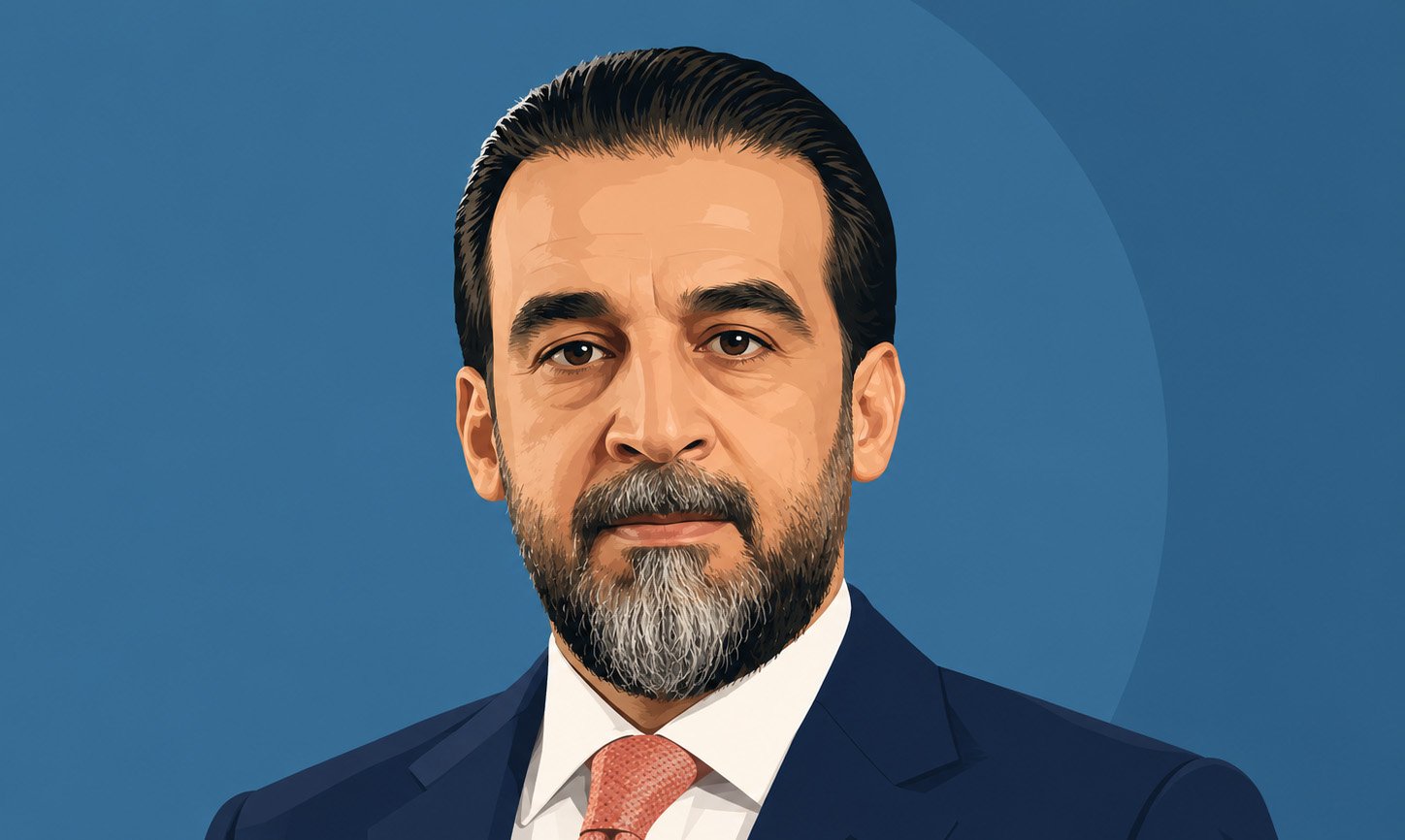
Prime Minister Ali al-Zaidi’s anti-corruption campaign follows a familiar template in one respect and breaks new ground in another. The Shia component of the crackdown targets the networks of his predecessor, Mohammed Shia al-Sudani. This is by now standard practice: every incoming Iraqi prime minister dismantles the patronage structures of the man he replaced. What distinguishes this campaign is its second component, a sweep through Sunni politics that has no precedent in the post-2003 order.
The pattern of the Sunni arrests is unmistakable. Every significant anti-Halbousi Sunni politician is now either in detention or subject to an arrest warrant.
Muthanna al-Samarrai, the leader of Azm and the most institutionally serious rival to Mohammed al-Halbousi, was arrested in the campaign. Muhammad al-Karbuli, an Azm MP and among the most outspoken critics of Halbousi, was also detained. Ziad al-Janabi, who defected from Taqadum with eight MPs and contested the last election alongside Khamis al-Khanjar, and who was widely regarded as the “most dangerous” threat to Halbousi’s position, was arrested as well. Outside parliament, and on other separate issues outside the recent anti-corruption crackdown, Mishan al-Jubouri and his son Yazan both face arrest warrants. Yazan has been detained and sentenced to five years in prison, while Mishan remains in self-imposed exile, unable to return to federal Iraq because of complaints filed by Halbousi.
This reads as a dual campaign: one purge conducted for the prime minister, and a second Sunni-track conducted in ways that benefits Halbousi more than anyone else. That the state’s anti-corruption machinery can be directed so comprehensively at one Sunni faction’s rivals is a measure of how far Halbousi’s power has grown. It also lends weight to persistent talk of his alignment with the judicial chief Faeq Zaidan, with Asaib Ahl al-Haq leader Qais al-Khazali, and to a lesser extent with Bafel Talabani of the PUK. Zaidi himself is considered close to Zaidan, which makes the convergence between the prime minister’s campaign and Halbousi’s interests easier to explain.
A second reading, which may sit alongside rather than against the first, concerns Nouri al-Maliki. The Sunni politicians swept up in the campaign were largely aligned with Maliki, who counted them among his principal allies in the Sunni arena. On the Shia side, the crackdown targets Sudani’s networks, and Sudani’s chief rival is Maliki. The Sunni arrests therefore cut in a different direction: they weaken not only Halbousi’s opponents but Maliki’s Sunni depth as well. The campaign, in other words, damages both poles of the Shia rivalry at once, stripping Sudani of his networks and Maliki of his Sunni allies.
There is a third way to read the arrests, and it concerns Halbousi himself. Detaining Sunni politicians of this seniority normalises a practice that Iraqi politics had largely avoided, and precedents of this kind rarely stay contained. The same machinery now serving Halbousi’s consolidation could one day be turned against him. For the moment, his influence and his regional ties are strong enough to insulate him from the fate of those who have fallen from grace. Whether that insulation outlasts the precedent he has helped set is another question.


