


KRG Civil Servants Owed $21bn After Decade of Delayed and Partial Salaries
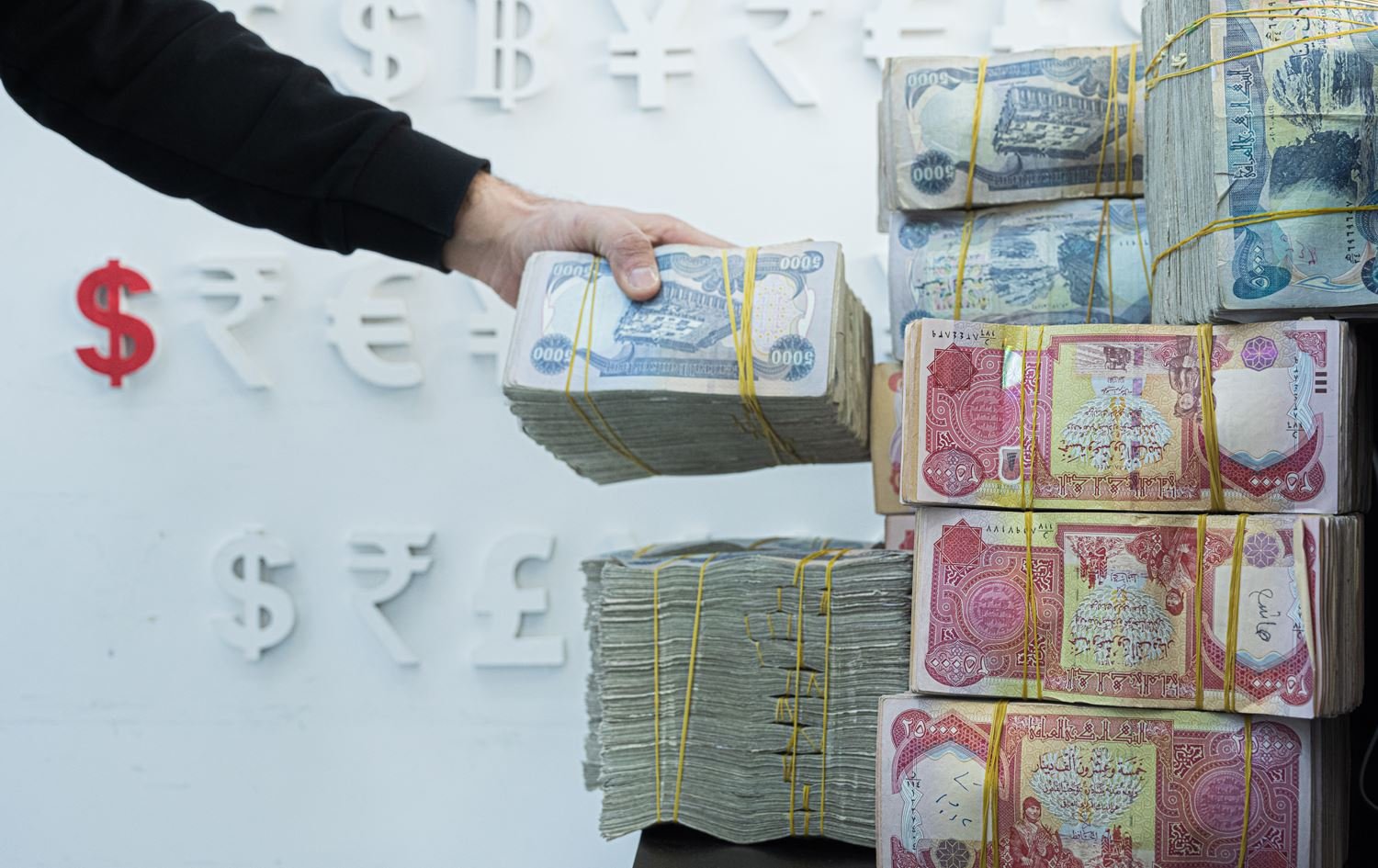
The KRG owes its public sector workforce an estimated 30.8 trillion Iraqi dinars, approximately $21 billion, in unpaid wages, withheld salary increases, and accumulated arrears built up over eleven years of fiscal turmoil, according to a detailed analysis of payment records spanning two successive governments.
The findings lay bare the scale of the financial burden shouldered by some 710,000 teachers, civil servants, and public employees who have become accustomed to receiving only a fraction of their entitled compensation. Of the 132 months between January 2015 and the end of 2025, workers received full salaries in just 70 months. Forty-four months saw partial payments with deductions ranging from 18 to 75 percent, while 18 months passed with no salary disbursement whatsoever.
The crisis has its roots in the collapse of global oil prices in 2014 and the subsequent war against the Islamic State, which devastated the region’s economy and severed the fiscal relationship between Erbil and Baghdad. But the data suggests the problem has persisted long after those immediate pressures eased, becoming a structural feature of KRG governance.
The Nechirvan Barzani Government (2015–2019)
The salary crisis began in earnest under Prime Minister Nechirvan Barzani, whose government held office from 2015 to mid-2019. Over its 54-month tenure, the administration paid full salaries in only 15 months. Thirty-four months saw reduced or delayed payments, and five months passed without any disbursement at all.
The pattern of deprivation was acute during the worst years. Salaries for September through December 2015, along with December 2017, were withheld entirely. Throughout 2016 and most of 2017, employees received only quarter-salaries, just 25 percent of their entitled pay. Eleven months of 2018 saw partial salary deferrals as the government wound down its term.
The total financial obligation accumulated during this period stands at an estimated 10.598 trillion dinars, a debt that was carried forward rather than settled when the administration handed over power.
The Masrour Barzani Government (2019–Present)
The current government, which assumed office on 10 July 2019 under Prime Minister Masrour Barzani, inherited an already strained payroll system. The analysis suggests it has added substantially to the accumulated debt despite periods of improved oil revenue.
Over its 78 months in office through the end of 2025, the Masrour Barzani administration has paid full salaries in 55 months. Ten months saw payments reduced by deductions, and 13 months, primarily concentrated in 2020 and late 2023, passed without any salary payment. The fate of the final two months of 2025 remains uncertain.
The pandemic year of 2020 proved particularly severe. Salaries for April, May, June, July, August, November, and December were not paid at all. The following two years brought partial relief, but with significant deductions: nine months of salaries in 2021 and 2022 were paid with 21 percent withheld, and one month saw an 18 percent deduction.
The pattern repeated in late 2023, when salaries for October, November, and December went unpaid. December 2024’s salary has also not been disbursed, and the final two months of 2025 appear unlikely to be paid on schedule.
Using Ministry of Finance figures showing monthly salary expenditure averaging 941 billion dinars by mid-2023, up from 895 billion at the start of the current government’s term, the total unpaid obligations under the Masrour Barzani administration reach approximately 13.814 trillion dinars. This comprises 6.3 trillion in fully withheld salaries across seven months, 1.701 trillion in 21-percent deductions over nine months, 162 billion from one month of 18-percent deductions, 2.823 trillion for the three unpaid months of late 2023, 944 billion for December 2024, and an estimated 1.884 trillion for the projected non-payment of November and December 2025.
A Decade Without Promotions
Compounding the wage arrears is the complete suspension of salary grade increases, known locally as “tarfi,” which has been in effect since 1 January 2016. Under normal circumstances, civil servants receive incremental salary increases tied to years of service, a system designed to reward experience and provide career progression.
The decade-long freeze means that all 710,000 public sector employees have been denied two scheduled increases. The financial impact, calculated conservatively at 50,000 dinars per month for the first missed increase and 100,000 dinars monthly for the second, totals an estimated 6.39 trillion dinars across the entire workforce. For the first five-year period, the unpaid increment amounts to 2.13 trillion dinars; for the second five-year period, when employees would have qualified for a cumulative second increase, the figure rises to 4.26 trillion dinars.
What It Means for Workers
The aggregate figures translate into significant personal losses for individual workers. An employee earning a base salary of one million dinars per month, roughly $680 at current exchange rates, would be owed approximately 49.07 million dinars by the regional government over the eleven-year period.
This individual debt comprises 18 million dinars from fully unpaid months, 17.75 million from 23 months of quarter-salary payments, 2.75 million from eleven months of partial deferrals, 1.89 million from nine months of 21-percent deductions, 180,000 dinars from one month of 18-percent deductions, and 9 million dinars from the two frozen salary increases over ten years.
For a workforce already contending with the region’s broader economic challenges, including the prolonged halt to independent oil exports, disputed revenue transfers from Baghdad, and a banking sector under pressure from US sanctions compliance requirements, the accumulated salary debt represents a profound erosion of household financial security and consumer purchasing power.
The data underscores a persistent gap between the Kurdistan Region’s aspirations for institutional stability and the lived experience of the public servants who form the backbone of its administrative apparatus. Whether the coming period brings resolution or further accumulation of arrears remains, like the final salary payments of 2025, an open question.


