


Arabs Win 60% of Hasakah’s Ten Seats as PYD Boycott Reshapes Kurdish Vote
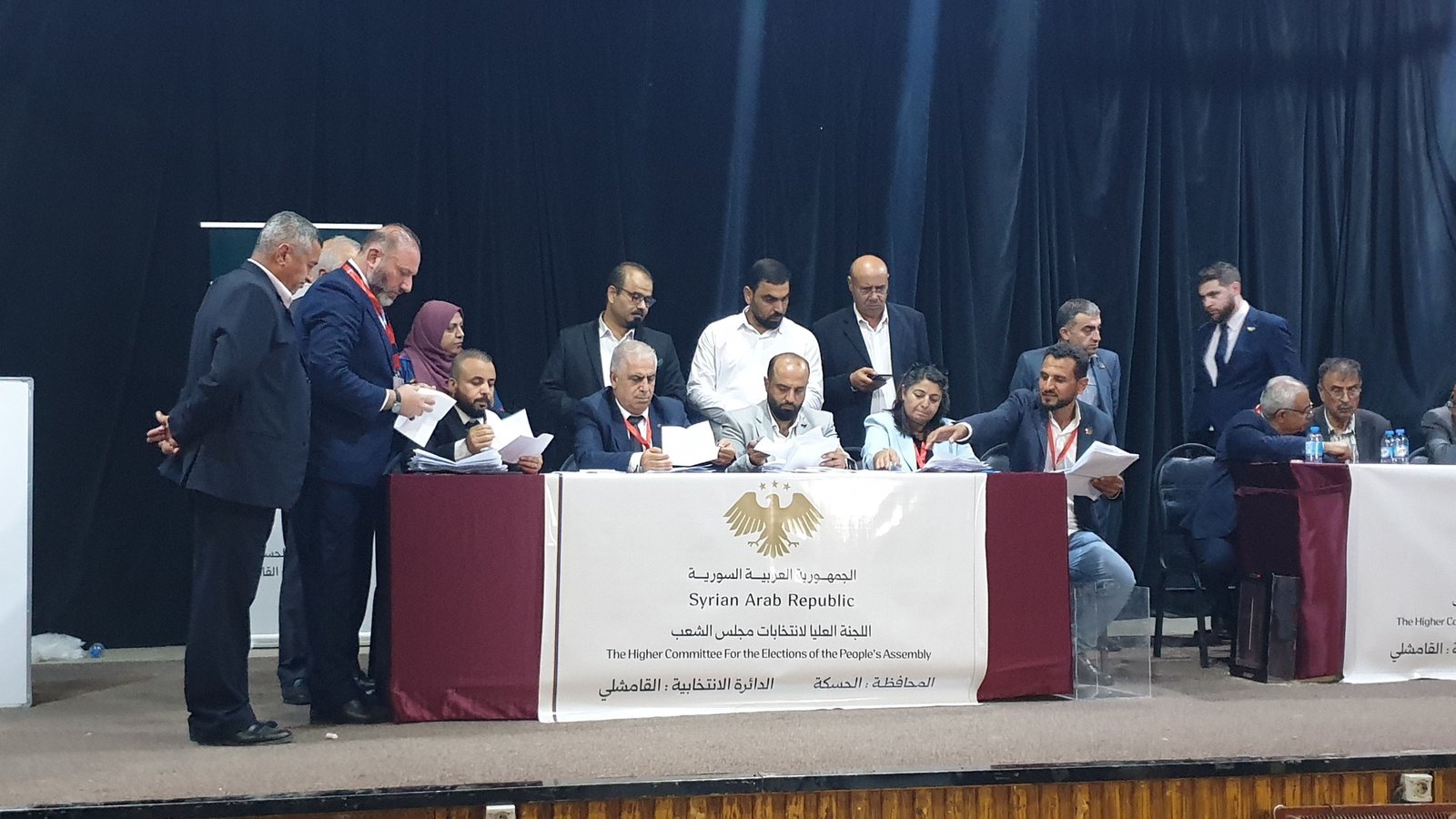
Results from Syria’s parliamentary elections in Hasakah province and Kobani have confirmed our reporting from last week.
In Hasakah, of the nine contested seats, Arabs won five and Kurds four. A tenth seat (in the Ras al-Ayn area) had already been won by an Arab candidate. The president will appoint the remaining five seats for the province.
Earlier reporting suggested the four Kurdish seats in Hasakah would be split between the PYD and the Kurdish National Council. But in the final days before the vote, the PYD and allied Kurdish parties rejected the process and joined a boycott, accusing Damascus of imposing a limited Kurdish quota that fell short of the community’s demographic weight. As a result, the Kurdish seats went to KNC-linked or non-PYD Kurdish figures.
The results carry a broader significance. Even in Hasakah, the province with the heaviest Kurdish concentration in Syria, Kurds secured just 40% of seats against Arabs’ 60%. If seat allocation reflects demographic weight, even approximately, it means Kurds do not constitute a majority in any Syrian province. That sets Syria apart: in Turkey, Iraq, and Iran, Kurds form commanding majorities across several provinces each. Syrian Kurds are a nationally significant minority without a provincial heartland to anchor that claim.

The results by district:
Hasakah district (3 seats)
Ibrahim al-Habash — Arab, Baggara tribal background
Omar al-Hayis — Arab, Jubour tribe
Faslah Yousif — Kurd, Kurdish National Council
Qamishli district (4 seats)
Radhwan Sido — Kurd, KNC
Abdulhalim al-Ali — Arab, Sab’awi tribal figure
Kim Ibrahim — Kurd, Kabara tribal figure
Mahmoud al-Madhi — Arab, academic
Al-Malikiyah/Derik (2 seats)
Ahmad Murad — Kurd, independent (close to KNC circles)
Alwan al-Ali — Arab, Zubaid tribal figure
Kobani (2 seats)
Shawakh al-Assaf — Arab, Shuyukh subdistrict
Farhad Shahin — Kurd, KNC


