


Iraq’s 75% Oil Rebound in August Cost $2 Billion in Discounts
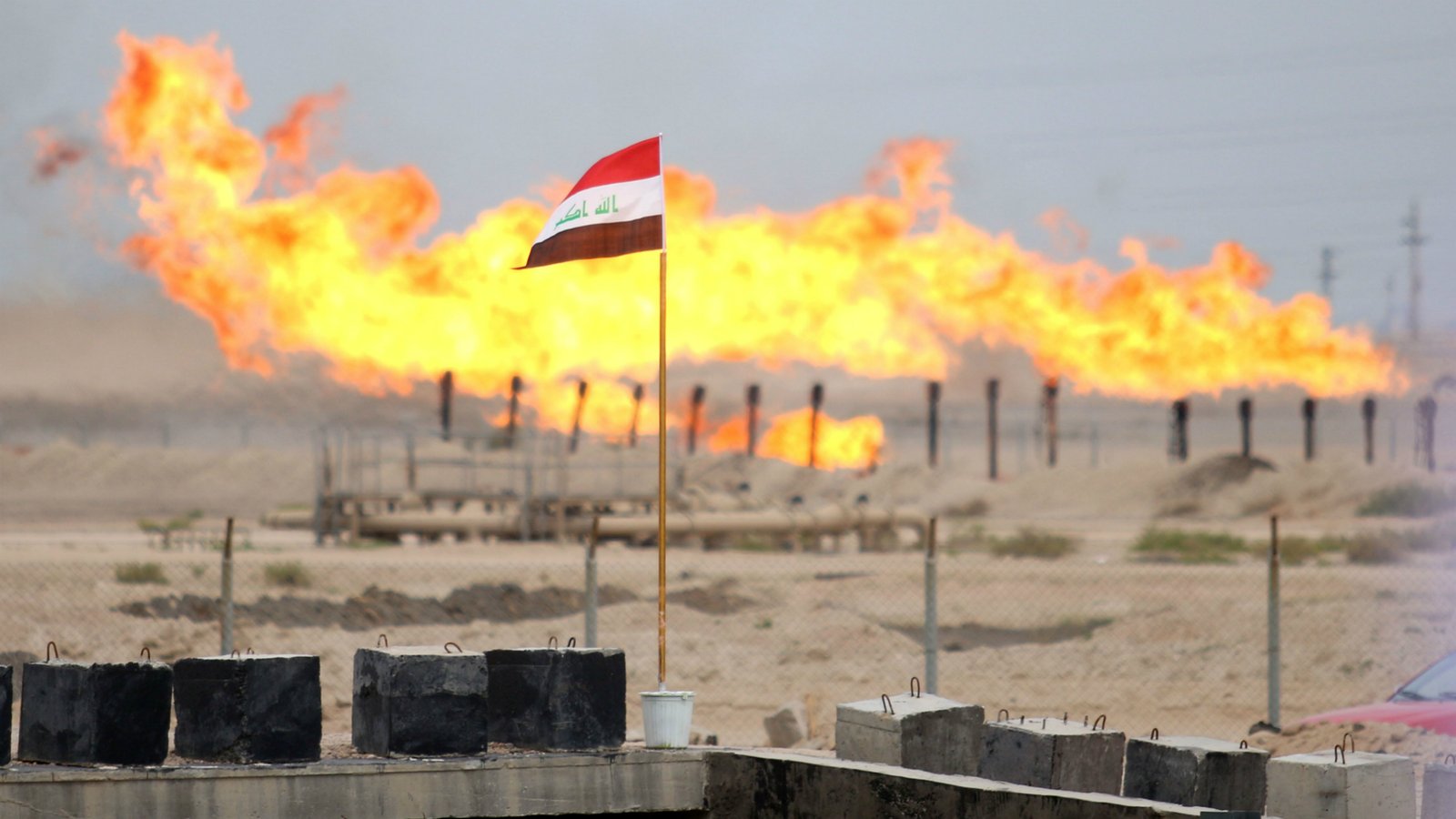
SOMO’s August tables show 73.7 million barrels exported, the strongest month since Iran closed the Strait of Hormuz in February. Almost all of it went south through the strait. The northern route to Ceyhan, the one corridor that avoids Hormuz entirely, went backwards.
Iraq’s State Organisation for Marketing of Oil exported 73,687,617 barrels of crude in August 2026, an average of 2,377,020 barrels per day across 59 loadings. That is a rise of about 75 per cent on July, when SOMO director general Ali al-Shatari recorded roughly 42 million barrels, and more than four times the monthly average of May and June.
Basrah Medium carried 55,702,595 barrels, or 75.6 per cent of the month, at a daily average of 1,796,858 barrels. Basrah Heavy added 14,052,339 barrels, or 19.1 per cent, at 453,301 barrels per day. The grade behind three quarters of Iraqi exports is Basrah Medium rather than Basra Light, a distinction most summaries of the release have dropped. SOMO created Basrah Medium in January 2021 by splitting it out of Basrah Light, and Basrah Light left the export programme the following year to be reserved for domestic refineries.
The remaining 5.3 per cent went north to the Mediterranean in two separate categories, both loading at Ceyhan. Kirkuk Crude Oil, the federal stream, accounted for 1,759,667 barrels at 56,763 barrels per day. The category SOMO labels (KRG) Kirkuk Crude Oil accounted for 2,173,016 barrels at 70,097 barrels per day. The 70,097 figure now circulating covers Kurdistan Region volumes alone, and combined northern flows ran at 126,861 barrels per day.
That leaves 69,754,934 barrels, or 94.7 per cent of the month, loading at the southern terminals, where the only route to a buyer runs through the Strait of Hormuz.
How the rebound was bought: Volume recovered because Iraq made its crude cheap enough to justify the risk of collecting it. SOMO offered August-loading Basrah grades at discounts of $25 to $30 a barrel, which brought Chinese and Indian refiners and the large trading houses back into the market after Chinese purchases had collapsed almost entirely in July. The marketer also arranged ship-to-ship transfers off the Omani coast, and in late August offered buyers the option of collecting cargoes outside the Gulf altogether, shifting the transit risk onto traders willing to run the strait.
The cost of that arrangement is large and calculable. Applied to August’s southern volumes, a discount of $25 to $30 a barrel represents $1.74 billion to $2.09 billion of revenue given up in a single month. With Brent trading around $88 through August, southern barrels netting $58 to $63 and northern barrels pricing at a small premium to Brent, the month’s exports were worth roughly $4.4 billion to $4.7 billion. The Oil Ministry has not published monthly revenue figures on a regular basis since its April report, so that range is an estimate rather than an official total.
Set against Iraq’s obligations, the estimate is the whole story. The Finance Ministry spends about $6.5 billion a month on salaries, pensions and social welfare alone. Iraq’s best export month since February therefore covers around two thirds of the payroll before a dinar goes to energy contractors, imported gas and electricity, or investment. In August 2025, Iraq exported 104.8 million barrels and earned more than $7 billion, a realised price of about $67 a barrel at a time when Brent was some $20 lower than it is now. Iraq is currently selling more barrels into a more expensive market and collecting less for them.
The relief is also slower than the headline suggests. Ahmed Tabaqchali of the AFC Iraq Fund puts the lag between export and receipt at about two months, with roughly 44 per cent of a month’s cargo value arriving in the same month and the balance two months later. The cash from the August recovery lands in October. September salaries are still being paid out of the collapse.
The northern route went backwards: The most striking movement in the August data is in the opposite direction to the headline. Southern exports rose 96 per cent on July. Northern exports through Ceyhan fell 44 per cent, from about seven million barrels to 3.93 million.
This is the corridor Baghdad spent the spring reactivating precisely because it does not touch Hormuz. Iraq and Turkey signed a one-year transit arrangement on 31 July covering around 750,000 barrels per day, after the treaty framework governing the pipeline was allowed to lapse four days earlier. August delivered 126,861 barrels per day, about 17 per cent of that figure.
The composition of the northern flow has also inverted. Across May and June, federal Kirkuk crude moved through Ceyhan at roughly 169,000 barrels per day while Kurdistan Region crude managed around 26,000. In August, federal Kirkuk was down two thirds to 56,763 barrels per day, while Kurdistan Region volumes had risen by about 173 per cent to 70,097. For the first time in the crisis, the Kurdistan Region is the larger of Iraq’s two northern export streams.
Two causes account for most of the northern decline. Security conditions prompted foreign operators in the Kurdistan Region to reduce or suspend activity at several fields, removing around 60,000 barrels per day. Separately, roughly 90,000 barrels per day of Basrah crude that had been pumped north through Kirkuk for export to Turkey stopped moving once the southern terminals reopened for business. The second is the more revealing. As soon as Hormuz became passable at a price, Baghdad returned its barrels to the route it knows, and the Mediterranean corridor lost the volumes that had been keeping it busy.
What August establishes: The month settles an argument that has run since February. Iraq’s exposure to Hormuz is not a temporary condition of the war, and the northern pipeline is not an alternative to the strait at any scale that matters. Even in a month when Baghdad had every fiscal incentive to fill the Ceyhan line, and a fresh transit agreement to fill it under, the Mediterranean carried 5.3 per cent of national exports. The war has cost Iraq a great deal, and it has not diversified the country’s export geography by a single percentage point that survives the return of southern shipping.
What August bought was time, on terms set by the buyers. The recovery rests on discounts of $25 to $30 a barrel, ship-to-ship transfers arranged around a strait Iran still controls, and a cabinet decision approved on 18 August that extends discounting further from 1 September. Chinese refiners have bought at least 16 million barrels of Basrah crude for September delivery, which points to a second consecutive month of recovering volumes. Brent has since moved above $95 on renewed attacks in and around the strait, which raises the price of every barrel Iraq cannot ship and widens the gap between what its crude is worth and what Baghdad receives for it.


