


As Its Affiliates Integrate Into Host States, the PKK’s Regional Network Could Grow Stronger
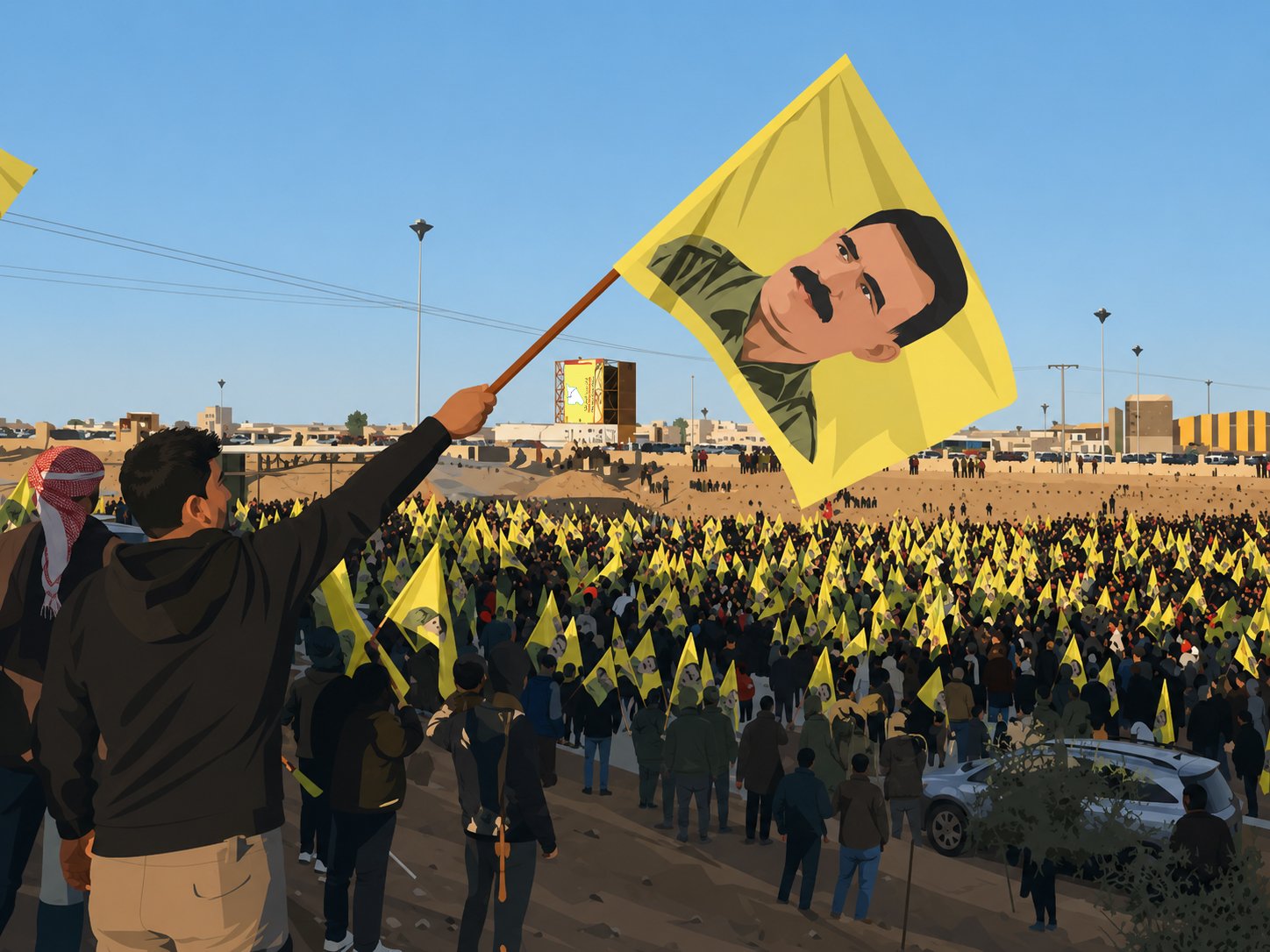
The PKK’s regional integration in Syria and Iraq, alongside its peace process with Turkey, points to a two-layered arrangement. At the national level, its affiliated groups are giving up part of their separate organisational identities by integrating into the states in which they operate. In return, they gain recognition and potentially substantial influence in their local areas, creating a form of indirect decentralisation. At the regional level, they remain part of a single network that recognises the imprisoned PKK founder Abdullah Ocalan as its leader.
In some ways this arrangement has no precedent in the century since the partition of the Ottoman Empire. Kurdish rebellions and movements in these countries have since had their own local leadership and organisational structures. The PKK’s network is following a different model, in which its affiliates give up some of their autonomy through integration while potentially becoming legally recognised entities within their respective states.
In Syria, the Syrian Democratic Forces (SDF), the Kurdish-led force that controlled most of the northeast until the government offensive in January, announced its dissolution on 25 August after merging into state institutions. About 10,000 of its fighters have joined the Syrian army, a figure SDF officials say could reach 12,000. They serve in four brigades based in Hasakah, Qamishli, Derik and Kobani, commanded by former SDF officers, and the SDF’s internal security forces, the Asayish, were absorbed into the Interior Ministry.
In Iraq, the Sinjar Resistance Units (YBŞ), a PKK-linked Yazidi armed group, and its women’s wing, the YJŞ, announced on 26 October an agreement with Baghdad to end their independent military status and integrate 4,165 fighters into the federal security system. On the same day, federal forces began taking over positions on Mount Sinjar. In Turkey, a similar process is moving forward through the framework law Ankara introduced in August, which opens a conditional legal path for PKK members once the organisation’s dissolution is certified. Above these national arrangements, the groups remain connected through a regional structure that recognises Ocalan as their common leader.
Critics argue that this amounts to abandoning Kurdish national distinctiveness by accepting integration into existing state structures, whether in Syria, among the Yazidis of Sinjar, or in Turkey, where the movement is negotiating within the framework of the Turkish state. This reading overlooks another dimension. These groups may retain substantial local influence even as they surrender wider political and military autonomy. By placing significant numbers of their personnel inside state institutions, they could keep influence over local administration and security without controlling territory of their own. Their power would increasingly operate through local structures and identities, replacing the autonomous, state-like entities they previously ran.
Critics read this as a retreat from Kurdish nationalism. It can also be read as a pragmatic adaptation to the region’s political realities. Under almost any other arrangement, it would be hard to imagine a single Kurdish leader holding influence over several legally recognised organisations operating in three or more states.
This model could therefore make the PKK’s regional network more influential than at any point in its history. Its affiliates, which have long operated on the margins as outlawed organisations, could become recognised actors within existing states, exercising varying degrees of institutional and local influence while remaining connected through a common regional leadership.
The model also carries a basic contradiction. Integration does not necessarily settle the underlying political disputes in these countries. It could instead institutionalise them in a new form, with the PKK’s affiliates pursuing influence from inside state structures where they once did so from outside. The result could be an evolving arrangement in which integration, local autonomy and transnational organisational loyalty coexist, one that falls short of a settled political order and may generate new tensions over the long term.
The transformation has a further dimension. The model gives the PKK considerable flexibility and could substantially expand its long-term influence, since its affiliates gain a legal presence in several states while keeping their overarching allegiance to Ocalan. It also exposes the movement to sustained criticism, particularly from Kurdish nationalists who see integration as a retreat from Kurdish national aspirations. This helps explain why, since the start of the peace process, the PKK has invested in building a much stronger media network to reach Kurdish audiences, as TNC has previously reported. As the movement shifts from armed confrontation toward institutional integration, its ability to shape public opinion, defend its new arrangements and maintain ideological cohesion across several countries may become increasingly important to whether this regional model lasts.


