


Afrin and Qamishli could become transit hubs in two major regional rail corridors
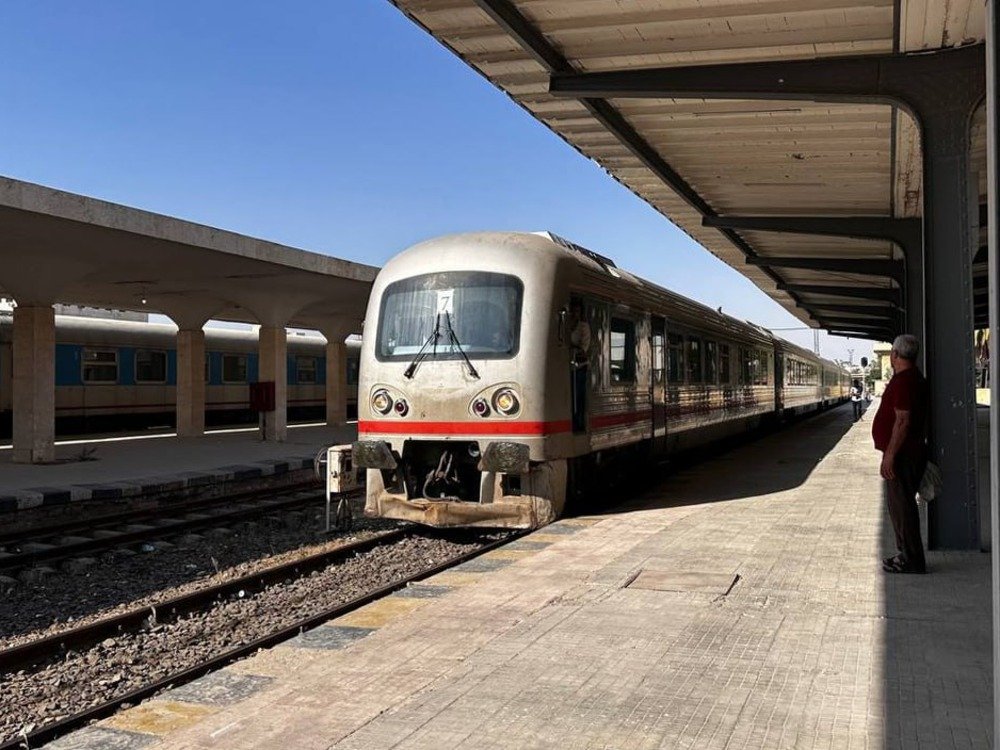
A major shift may be underway around two Syrian Kurdish border geographies: Afrin in the west and Qamishli in the east.
For most of the past decade, Afrin in the west and Qamishli in the east were read through one lens: the border, and the security problem a border creates. Both became front lines. Afrin was taken by a Turkish-led offensive in 2018, its Kurdish population largely displaced. Qamishli, the de facto capital of the Kurdish-led administration in the northeast, sat opposite Nusaybin behind a crossing shut for over a decade.
A different lens is now in play. On 31 May, President Trump expanded the brief of his envoy, Tom Barrack, to cover Iraq alongside Syria and Turkey, formalising what Washington had already treated as a single file. One of the organising ideas of that file is connectivity: rail, road and pipeline links binding Turkey, Syria, Iraq, Jordan and the Gulf. There are two main regional connectivity corridors, and both run through the two most cities for Syria’s Kurds: Afrin and Qamishli.
In the west, Turkey’s revived rail agenda toward Aleppo would run through the Midan Ikbis-Rajo corridor in Afrin district. Midan Ikbis is not just a minor stop. It is the first Syrian railway station after entering from Turkey, which gives it natural value as a border entry point for customs, freight handling, inspection, transshipment and local services. If the Turkey-Aleppo line is restored, Afrin’s border rail geography could become part of a wider route reconnecting Turkey to Aleppo, Damascus, Jordan and eventually the old Hejaz corridor toward Saudi Arabia.
In the east, Qamishli sits directly opposite Nusaybin and has long been a railway city. If the Nusaybin-Qamishli line is reactivated, especially alongside renewed movement through Yaarubiyah/Rabia toward Mosul, Qamishli could become a key node in the Turkey-Syria-Iraq corridor. That route would not just be a local border connection. It could plug into Iraq’s wider Development Road logic, linking Turkey through Iraq to Basra, Grand Faw, the Gulf and broader east-west trade networks.
This is the paradox of Kurdish border geographies. In a conflict model, they often lose the most because borders become security zones. But in a connectivity model, they can benefit the most because they become crossing points, rail stations, customs nodes and commercial gateways.
Prosperity is not automatic, but the geography matters, and the potential is real for two cities that became flashpoints of ethnic conflict and power struggle. Both of Turkey’s southern economic corridors run through them. The same frontier that was walled off, partly because of the Kurdish presence on either side, could become the connective tissue binding Turkey to its southern neighbourhood. Turkey’s own commission on the PKK peace process makes the logic explicit, casting the cross-border Kurdish presence as a means of cohesion: by integrating its own Kurds, Ankara might be hopeing to turn the wider regional Kurdish presence from a liability into a strategic asset.


