


Kurdistan’s Gas Boom Comes With Geopolitical Consequences
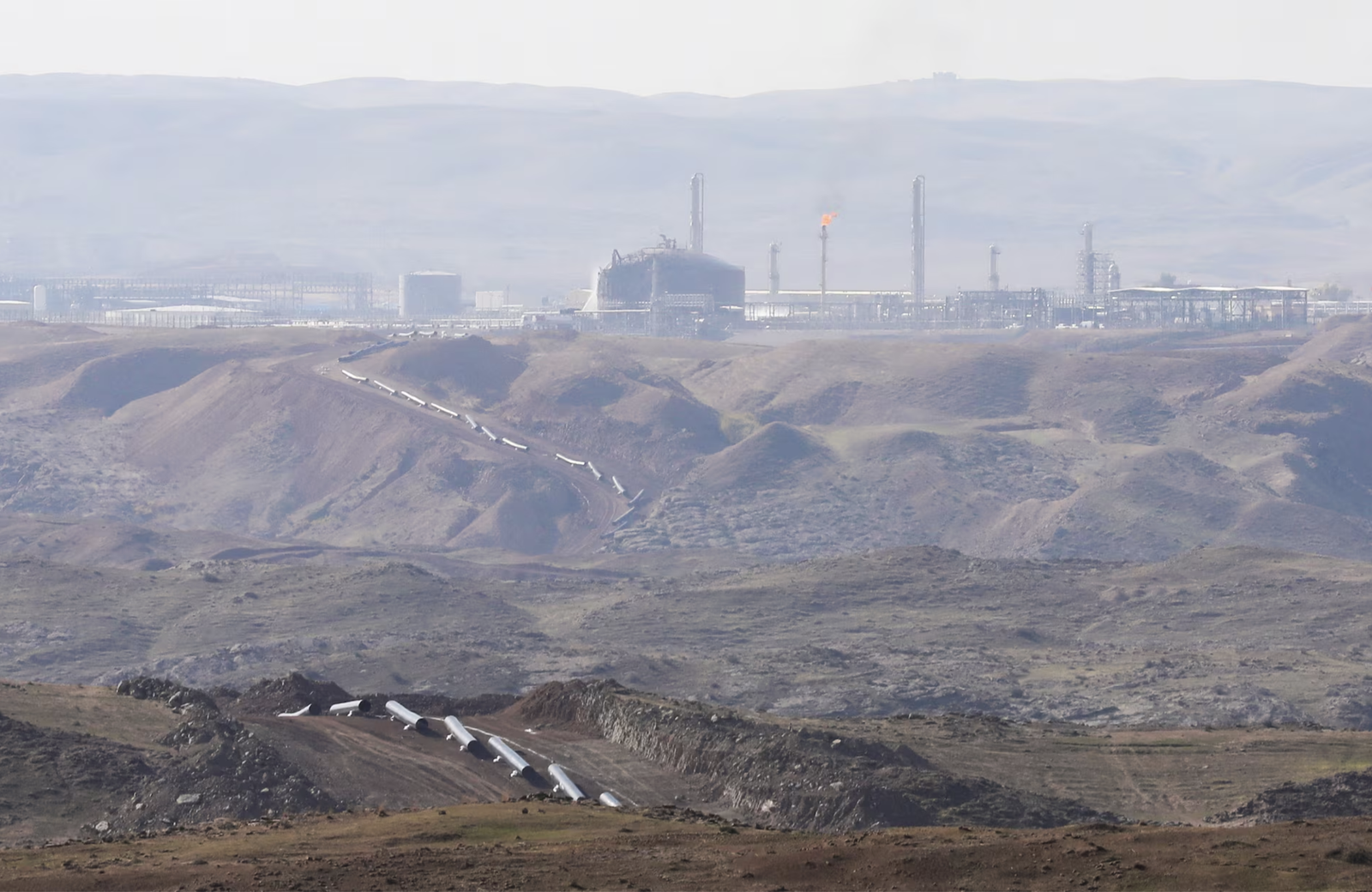
Iraq’s Kurdistan Region is increasingly establishing itself as a major natural gas hub. A new pipeline connecting the Khor Mor gas field to Chamchamal and from there to a power plant in Sulaimani was completed this week, consolidating the area as a significant energy integration node. The Chamchamal field is also expected to begin producing natural gas by mid-2027, which will power the Bazian industrial zone. Together, these developments will supply more than 70 percent of the region’s electricity, as well as most of Sulaimani’s heavy industries by next year, with further expansion planned toward Erbil.
The strategic weight of this cluster is considerable. Khor Mor holds 8.47 Tcf gross 2P gas reserves; Chamchamal will add another 6.62 Tcf, bringing the combined total to 15 Tcf and making this the largest gas-producing zone in Iraq. Two additional major fields in the same vicinity, Miran and Kurdamir, have been licensed to American companies and are expected to reach production within the coming years, though their timelines remain uncertain.
The broader significance lies in what this shift represents geopolitically. The Kurdistan Region is moving from being primarily an oil exporter to becoming a gas-based power producer and potential transit player, increasingly integrated into Iraqi demand and possibly regional supply chains. For Erbil, these developments amount to the birth of a new energy order: the Region is no longer just an oil exporter but a gas-based power hub, Baghdad’s growing reliance on KRG gas-fired electricity gives the KRG new bargaining chips in its relationship with the federal government, and Iran faces a slow erosion of its near-monopoly on gas supplies to Iraq.
Internally, however, the same developments will sharpen an existing fault line. The gas fields, the completed pipelines and the power infrastructure that came online this week all sit within PUK-administered territory, giving the party a form of economic leverage it has not enjoyed since the emergence of the Kurdistan Region in 1991. That geography will further harden the KDP-PUK power struggle and recalibrate the balance between the two parties in ways that will reverberate well beyond the energy sector.
That trajectory also puts the Region on a direct collision course with Iran’s position in Iraq’s energy market. As one senior KRG official put it bluntly, Iran will not allow Kurdish gas to become a substitute for Iranian gas to Iraq. Tehran has long sold substantial volumes of gas to Iraq for power generation, providing hard currency at a time of severe sanctions and, critically, a direct leverage tool over Baghdad: gas cutoffs translate quickly into blackouts and political pressure.
From Tehran’s perspective, any development that meaningfully raises Kurdish gas output, deepens the integration of Khor Mor and Chamchamal into the federal grid, or suggests that Baghdad could one day source Kurdish molecules instead of Iranian ones represents a direct threat to both revenue and leverage. The United States, for its part, has tightened sanctions enforcement in ways that increasingly constrain Baghdad’s ability to continue paying for Iranian gas. Washington does not want Iraqi state collapse or chronic instability, but it also cannot ease pressure on Tehran. Supporting Kurdish gas-fired electricity generation offers a way through: keeping Iraq’s lights on while gradually undercutting Iran’s energy leverage.
This dynamic sits within a broader strategic reframing that began with the war in Ukraine. At the outset of that conflict, Kurdish leaders openly floated the idea that Kurdistan’s gas could help compensate for European supply shortfalls and offer an alternative to Russian exports. The response from Tehran was swift: the home of KAR Group CEO Sheikh Baz in Erbil was targeted, and he subsequently retreated from the idea of fast-tracked gas exports. Iran, an ally of Russia in the conflict, made its position clear.
Washington then moved toward a more politically viable formula: use Kurdish gas to generate electricity locally; sell that electricity into Iraq’s national grid to reduce Iraq’s dependence on Iranian gas incrementally; and, in parallel, keep open the possibility of future exports to Turkey and Europe, without prematurely advertising Kurdish gas to Europe as an immediate reality.